

News
-
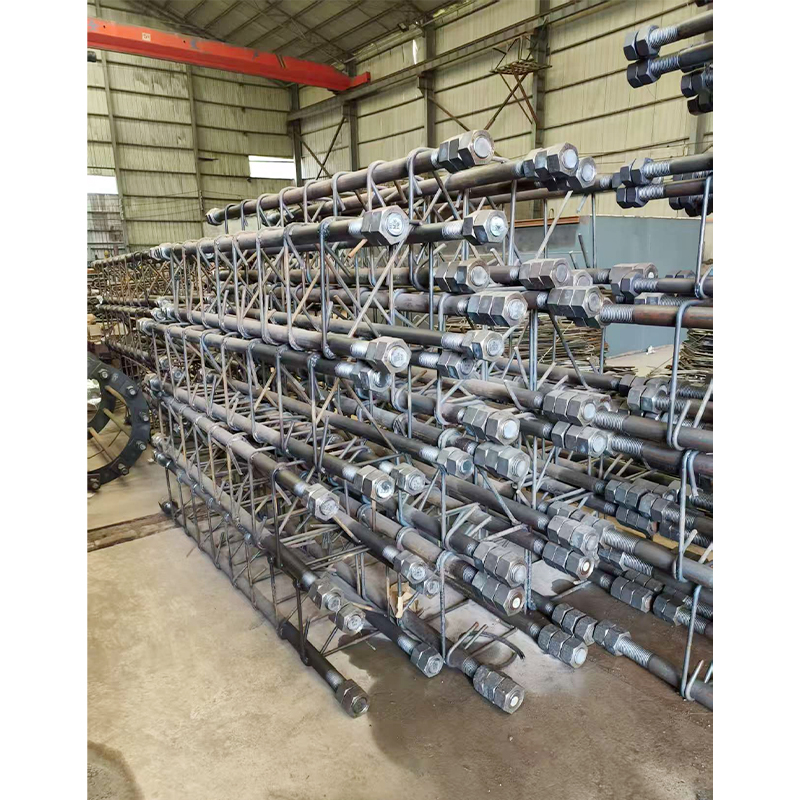
How do anchor bolts secure steel structures to foundations?
In the vast and complex world of modern construction, steel structures rise with remarkable speed and elegance, forming the skeletons of skyscrapers, industrial plants, bridges, and towering wind turbines.
Learn More2026-05-21 -
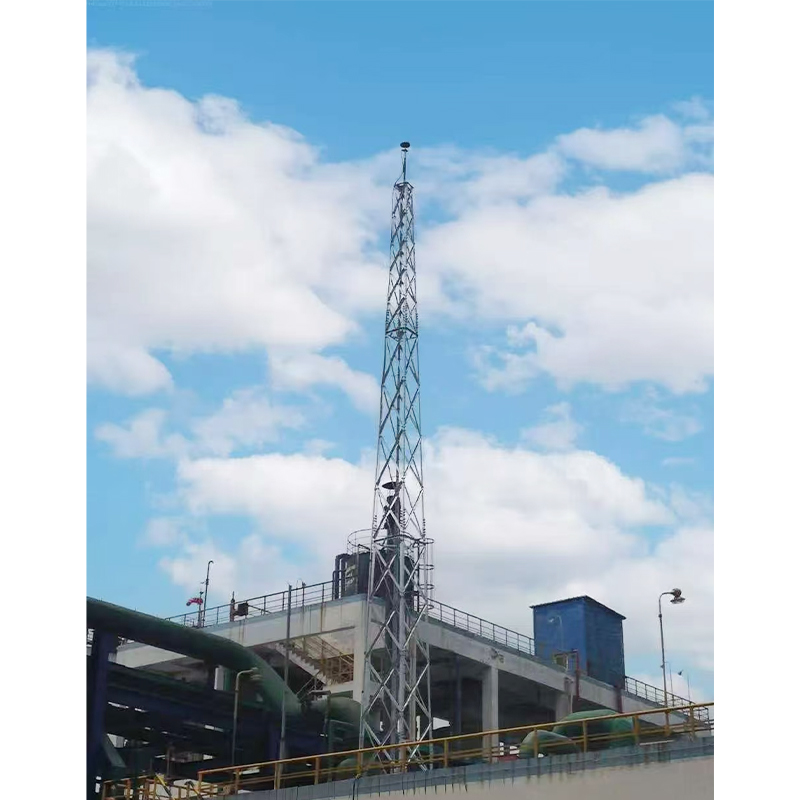
How does galvanizing protect lightning rod structures from corrosion?
Lightning rods serve as the first line of defense for buildings, industrial facilities, and critical infrastructure against the devastating power of lightning strikes.
Learn More2026-05-13 -
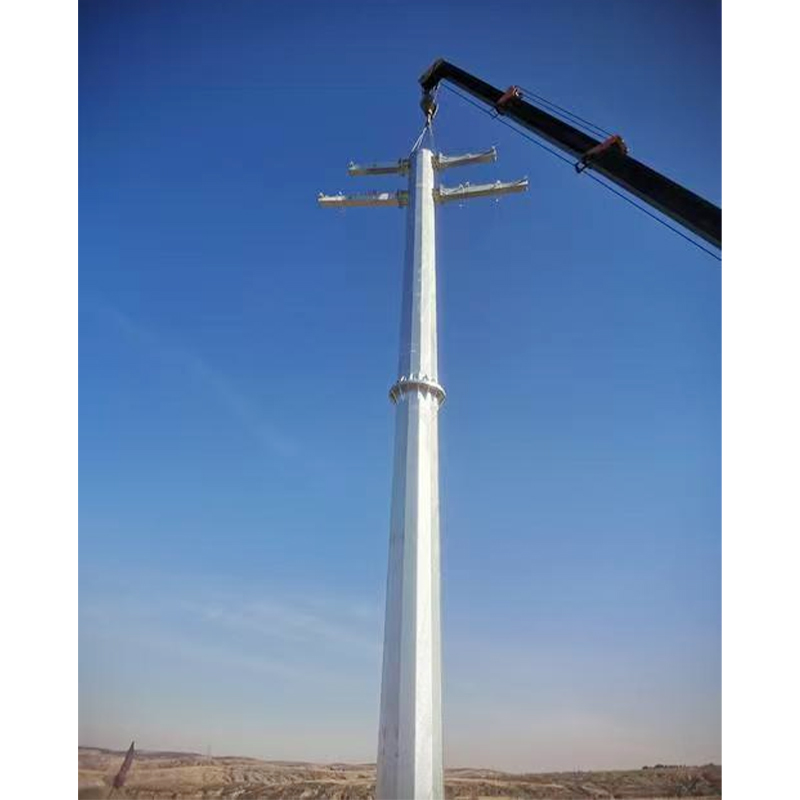
How to Maintain Stable Mechanical Properties of Steel Poles in High-Temperature Environments?
In modern metal structure engineering, steel poles, as crucial load-bearing and supporting components, are widely used in construction, bridges, industrial equipment, and energy facilities.
Learn More2026-05-09 -
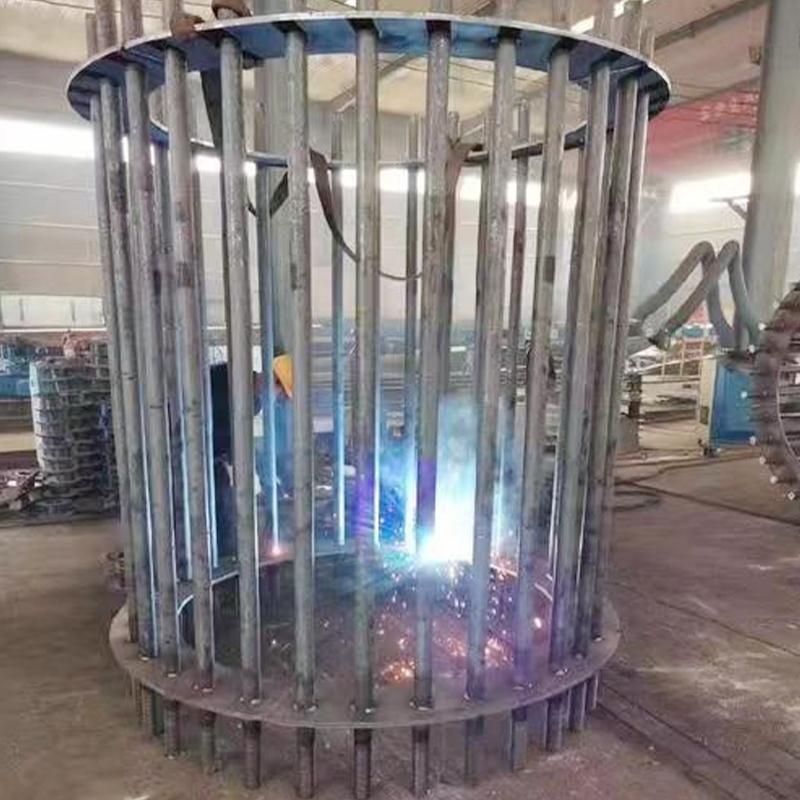
How to Improve Anchor Bolt Anchoring Performance Through Threaded and Expansion Structures?
In building structures, equipment installations, and foundation engineering, metal anchor bolts serve as critical connectors, and their anchoring performance directly impacts the safety and stability of the overall structure.
Learn More2026-04-28 -
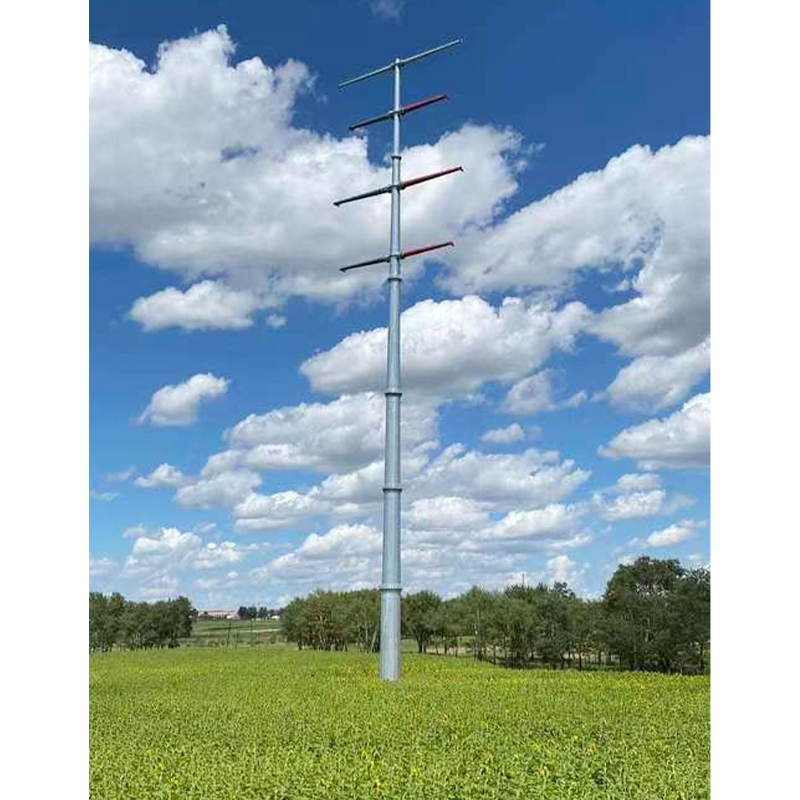
How can steel poles achieve a balance between lightweight design and high strength in complex terrain construction conditions?
Steel poles are widely used in complex terrain construction conditions, such as mountainous areas, soft soil, or confined spaces, which place higher demands on the transportation, hoisting, and installation of components.
Learn More2026-04-22 -
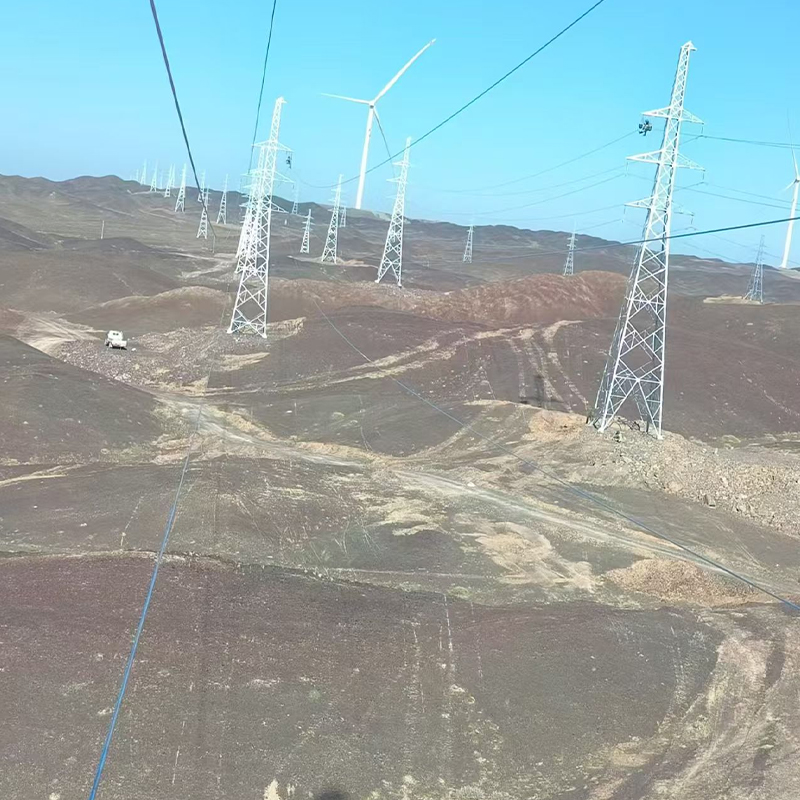
How can the structural stability and safety of metal transmission line towers be ensured in high-voltage transmission environments?
In high-voltage transmission environments, transmission line towers not only support conductors and equipment but also withstand the long-term effects of wind loads, ice loads, and electromagnetic interference.
Learn More2026-04-14